The Connoisseur
Black Book 106, January 11, 2021

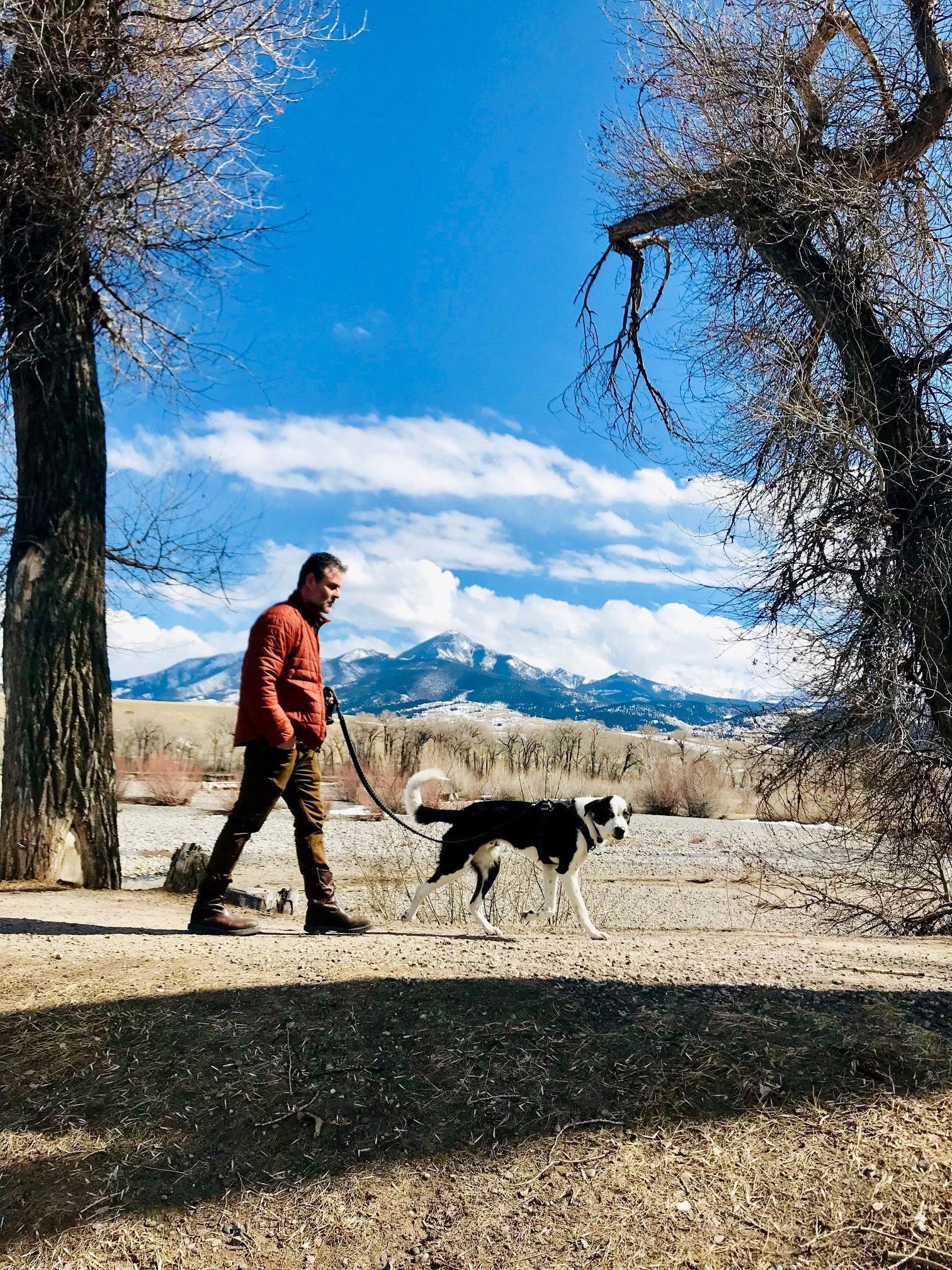
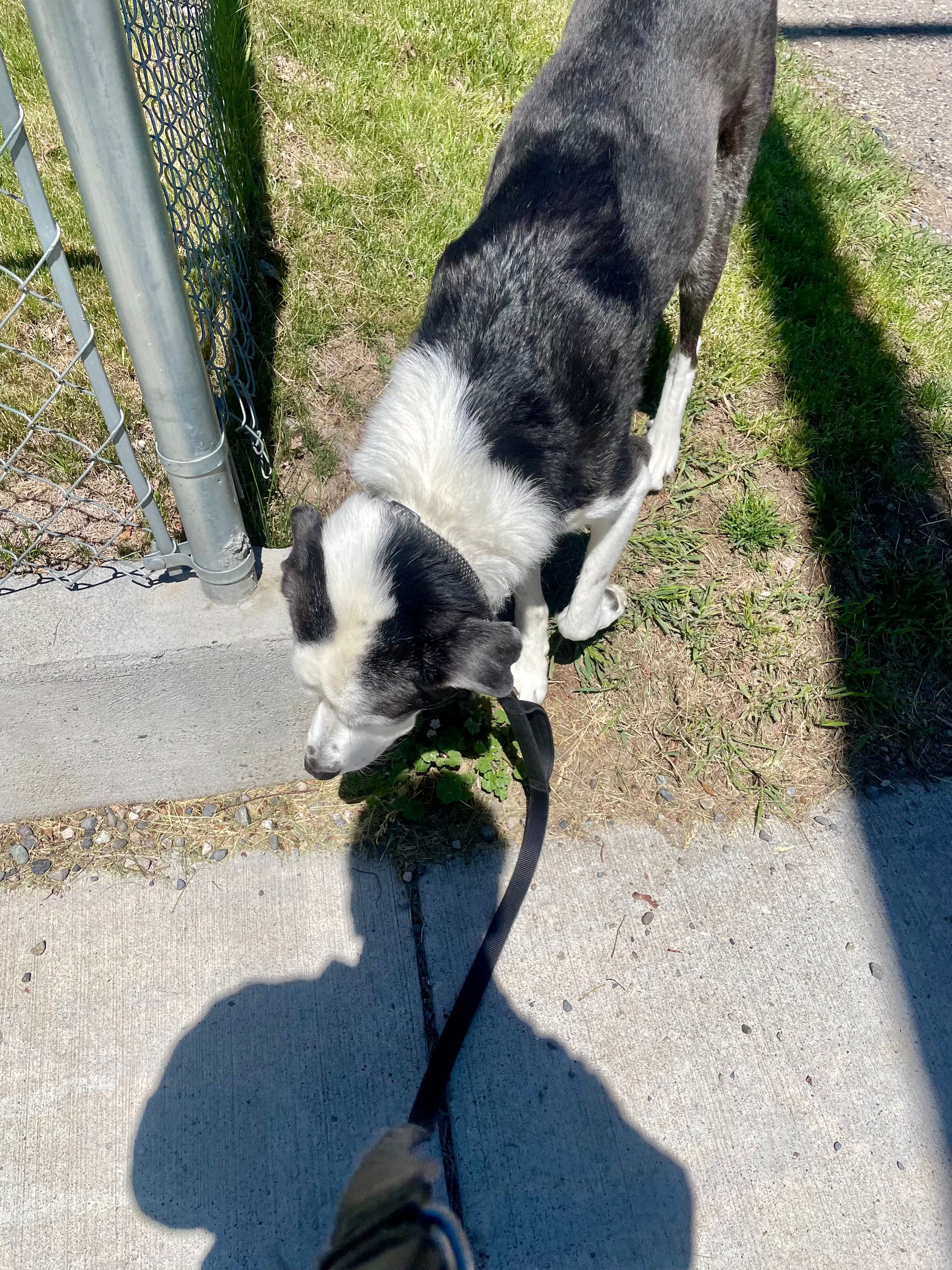
My dog Winsor is a connoisseur of spilled urine and all manner of other ordure and boulevard filth. His nose is obviously magnificent and gives him a great deal of pleasure, and he exercises it to a degree that can be maddening to the fellow on the other end of the leash.
On our walks I try very hard to be patient and to indulge him, but he is such an intent and obsessive sniffer that if I allow him to he will take 20 minutes to cover one city block, stopping at every tree, every mound of crusted snow, every scrap of litter, every stop sign, light post, fire hydrant, fence line, and garbage can. Sometimes he will be frenzied by the sight of another dog walking 100 yards of more ahead of us, and will lurch, straining at the leash and gulping at the air, his head thrown back and his eyes wide with excitement.
“Good heavens,” I said to him the other day. “What is it about that fellow up there that has you so wound up?’
“Oh, hurry!” he said. “Please hurry! I can smell his butt hole from here. I could smell where he smooshed it against the sidewalk at the last corner. I must smell him up close!”
That exchange is one indication that Winsor is not nearly so refined as his beloved predecessors. More than any of my other dogs he is governed by his senses and his appetites. Humans have debased the term ‘sensualist.’ Winsor is a pure, authentic version. Much of the time I enjoy studying him while he’s at work, but when he’s really locked into something he can stand there, frozen in place, sniffing one spot for minutes at a time, and on such occasions all of his other senses seem to shut down. He often closes his eyes, in fact, and zeroes in on a particular scent by rolling it around in his trembling jowls and frothing at the mouth. At such times he looks like an especially pompous wine taster. I can say his name a dozen times in a louder and louder voice and I can pull on his leash, but he appears to be utterly oblivious.
I have concluded that the snow must act as a preservative for smells. Winsor approaches every square inch of every block like an aesthete at a museum. As a result, our walks of late have become a bit of a power struggle. I try to compromise, try to engage my own senses in the way that all my dogs have taught me. Or I’ll try to tune into the music on my headphones. But in this dark and anxious winter, with COVID raging, I also need to burn off some of my anxiety on our rambles, and want to use the time away from the computer, phone, and television to try to get my thoughts together. That’s difficult when my dog approaches every walk like we’re on the zig-zagging trail of a murderer. I can’t really tune out, because every time I do I get jerked off my feet when Win digs in his heels and drops anchor for a prolonged sniff.
The snow cover at least allows me to sort of see what he’s investigating. This afternoon he paused to sniff, scrape around, and mark six times before we’d even reached the corner of our block. Much of the snow on the boulevards and banked around the trees has been stamped down by the traffic and investigations of other neighborhood dogs. In some places the sheer amount of dog correspondence is extravagant. These spots, I’ve decided, are the dog version of group chats, and the conversation—regular comments and replies—often seems to go on for days.
Winsor investigates each of these chats, often obsessively, lingering to read each and every message before offering some response of his own. Elsewhere—everywhere, really—there are smaller, shorter conversations, or perhaps even the musings of some solitary poet, diarist, of dog philosopher. Win often seems to spend more time on these sorts of messages than he does on the larger public conversations.
Watching him at work, he really does appear to be reading and thinking, carefully crafting a response. Sometimes he’s clearly delighted or amused; others he looks genuinely sad. I’ve often felt a weird sense of pride when I watch him spend two or three minutes reading and rereading some snippet of canine calligraphy, isolated in an otherwise unmarked patch of snow, before offering his version of a Facebook comment, heart, or thumbs up.
Surely I’m imagining the things I hear him muttering. “Oh, so lovely, so lovely,” for instance. Or, “Poor old fellow. He wants so desperately for someone to come along and acknowledge his piss.” Other times, after sniffing zealously for quite some time, he will look at me with wide eyes, as if imploring me, “Oh, I beg your pardon, but this is a really good one, may I please have a few more moments to craft an appropriate response?” I try to give him all the time he needs.
When—as I often do—I beg him to please, please, please proceed along the route, he looks at me so earnestly and says, “But there’s so much pee everywhere!” And because he’s so strong and determined, I usually find myself going along with his every whim, and I learn a lot by watching and interrogating him as he conducts his correspondence.
“An extra moment here, if you don’t mind,” he said at one point earlier today. “This is another lonely one, and I’d like to give him a bit of attention.” Later, chuckling to himself, he said, “This one always has something funny to say. And he’s not afraid to work blue. He’s an irreverent fellow.” And, still later, “Once again, I may need some more time with this one. There’s quite a lot going on here.”
“Longwinded?” I asked. “A storyteller?”
“No, no, it’s not that,” Win said. “Just a rather long and complicated conversation. Some troubles at home.”
Sometimes I’ll notice a sly smile on his face, almost bashful, and I’ll try to give him a bit more time and space to reply to what I assume is a clearly personal and perhaps amorous message.
It’s become quite fascinating, I have to admit. I’ve never had a dog who was such a zealous correspondent, who was so attentive to all the dog chatter going on out in the world. I’m always curious when he spends a great deal of time investigating some message and chooses not to respond. There are, I’ve learned, generally two primary reasons for this. Some messages, of course, are personal and intended for someone specific else. The other reason was more surprising to me. A lot of dogs, it seems, especially some of the adolescents around the neighborhood, are more or less graffiti artists. They use their urine as a means of purely artistic expression, or to provoke, offend, or make some territorial claim.
“I guess I always assumed it was all some sort of territorial wrangling,” I said.
“I can assure you that is a mistaken assumption,” he said. “Nothing, in fact, could be further from the truth. The boulevards are full of poems, stories, personal ads, jokes, cries for help, philosophy, affirmations, and postcards from pen pals I’ve never actually met. You perhaps like to believe that I have no history, no interior life, no creative impulses, desires, ambitions, or secrets. But if you could only smell as I do, you would know that the dogs all around you contain multitudes, just as you do.”
“I’m apologize,” I said. “I’ve never for a moment doubted that.”
And then, because he looked so hurt by my comment, I got down on my knees, took him in my arms, apologized for my occasional impatience and impertinence, and promised to be more respectful and accommodating in the future.